Need residential tree removal in Peachtree City?
- Plan tree work around your busy week
- Compare quotes with no obligation
- Independent local providers do the work
- Stump grinding available
No obligation
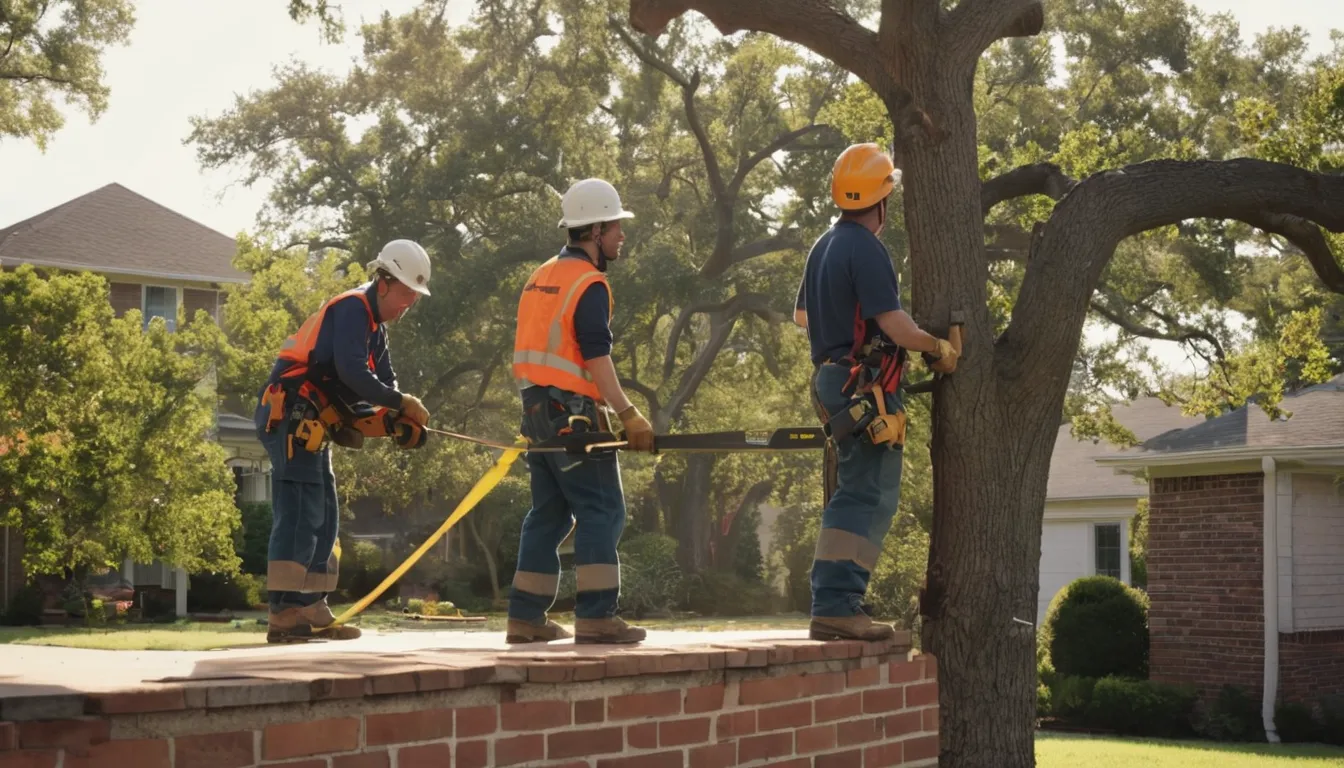
A tree on your property can start as a small worry. Maybe it leans a little. Maybe a big limb dropped after a storm. Either way, you have a lot going on, and you want it handled without a fuss.
Grossears Tree Service is a referral service. We do not remove trees. We connect you with independent providers in our network who serve the Peachtree City area. You can compare estimates, ask questions, and choose what fits your week. There is no obligation, and the providers do all of the work. This page walks you through what to expect, from the first call to the cleanup.
Take a breath. Most tree removal jobs are very doable. You do not need to know tree terms to get started.
First, look at where the tree is. Is it leaning toward your house, a driveway, or a power line? If so, treat it as urgent and call a provider soon. If it is just old or in the way, you have time to plan.
Request a callback to check provider availability in your area.
Some trees tell you when they are in trouble. Watch for these:
If you see more than one, ask a provider to take a look.
People remove trees for many calm, practical reasons. The tree may be dead or sick. It may have been hurt by a thunderstorm or an ice storm. Roots may be pushing on a slab or crowding a crawl space. Or you may simply want more sun in the yard or room for an addition.
None of these reasons is wrong. A good provider will explain whether removal is needed or if trimming would be enough.
Hot, humid summers help trees grow fast. They also help rot spread. Add strong thunderstorms, the occasional ice storm, and wet remnants of tropical systems, and weak trees can fail with little warning.
Older neighborhoods often have tall, mature trees close to older houses. Newer subdivisions may have young trees planted too near the siding. Both can need attention.
Every provider has their own way, but most jobs follow the same path.
Small jobs can take a couple of hours. Big trees near buildings can take most of a day.
Busy house? Say so when you talk to a provider. Ask about school pickup times, nap times, work-from-home calls, and pets. Many providers can pick a time that keeps noise and driveway blocking low.
If you cannot be home, ask if that is okay. Some jobs only need you there at the start.
Price depends on the job, not just the tree. Height and trunk width matter. So does what is underneath. A tree over a fence, a pool, or a roof takes more care and time than one in an open yard.
Other things that change the cost:
Always ask for a written quote, so you can compare line by line.
You do not have to say yes to the first number. Ask two or three providers if you can. Then put the estimates side by side.
Check that each one covers the same things: cutting, cleanup, hauling, and stump work if you want it. A lower number may leave out something that a higher one includes.
Take your time. Deciding without pressure is the goal.
Rules vary by town and county. Some places ask for a permit when a tree is large, protected, or in a public right of way. Neighborhood associations may have their own rules too.
Ask the provider if a permit applies. Many know the local process well. You can also check with your local city or county office if you are unsure.
A short list of questions goes a long way:
A good provider will answer clearly and not rush you. Check any claims yourself before you agree.
A little prep keeps the day smooth. Move cars out of the driveway and off the street nearby. Clear patio furniture, toys, and grills from the work zone. Tell neighbors, since the noise carries.
Bring pets inside and keep children away from the area. Take photos of the yard first, so you have a record.
Walk the yard with the provider when the work is done. Look at the lawn, the fence, and the roofline. Ask what was done with the wood and the sawdust.
If a stump is left, you can plan to have it ground out later. Many people also add a new, smaller tree in a safer spot.
Some policies may cover sudden damage, like a tree that falls on a house in a storm. Many do not cover removal of a healthy tree. Check your policy, and ask your agent. Providers can often help document damage for a claim.
You do not have to figure this out alone. Request a callback to check provider availability, or send a request and compare estimates on your own time.
A provider cuts the tree down in sections or in one piece, depending on the space around it.
Large or dangerous limbs can be taken out alone when the whole tree does not need to go.
Many providers rake up branches and sawdust, and some haul away logs. Confirm this in your quote.
Providers can give you a written estimate, so you can compare options calmly before choosing.
These are typical U.S. ranges. Your real price depends on the tree, the access, and the cleanup. Ask each provider for a written quote so you can compare the same work.
| Job type | Typical range | Notes |
|---|---|---|
| Small tree (under 30 ft) | $150 – $500 | Easy access, simple cleanup |
| Medium tree (30–60 ft) | $400 – $1,200 | Often needs sectional cutting |
| Large tree (60+ ft) | $1,000 – $3,000 | Height and trunk width raise cost |
| Tree near house or lines | $1,200 – $3,500 | Extra care and rigging needed |
| Dead or storm-damaged tree | $500 – $3,000 | Can be brittle and riskier |
| Haul-away of wood | $75 – $400 | Some quotes include it |
Share the tree size, location, and what worries you. Request a callback or send a request.
You are connected with independent local providers who may be able to look at your tree.
Review the price, the cleanup details, and the date. Ask any questions you have.
Pick the provider you like and set a time that works for your household.
Ask providers about times that work around school runs, jobs, and quiet hours at home.
Get more than one estimate and see the choices side by side.
Requesting an estimate does not commit you to anything. You decide.
Providers in our network know the local weather, soil, and town rules.
Most jobs fall between a few hundred and a few thousand dollars in the U.S. Size, access, and cleanup change the price. Ask for a written quote from more than one provider before you decide.
Sometimes. Rules depend on your town, the tree size, and whether it is protected. Ask the provider and check with your local city or county office if you are unsure.
Some policies may cover sudden damage, like a tree falling on your home in a storm. Removal of a healthy tree is often not covered. Check your policy, and providers can often help document damage.
Tell Grossears Tree Service about your tree, your yard and your schedule. Request a callback to check provider availability, or send a request and compare options with no obligation.
No obligation